
ART THERAPY IN BURNABY
Art therapy offers another way to explore thoughts, emotions, and experiences alongside conversation.
It can be especially helpful when something feels difficult to explain with words alone, or when you want a more active and creative way of working through what is happening.
Art therapy combines counselling with creative expression and can include drawing, painting, collage, working with shapes or colour, or other simple creative exercises.
Art can make thoughts and emotions easier to notice, externalize, and explore. It can also create some distance from experiences that feel overwhelming when approached only through conversation.
Who do we work with
Art therapy can be useful for people working through many of the same concerns that bring people to counselling.
This can include trauma, anxiety, grief, stress, burnout, life transitions, relationship experiences, self-esteem, and difficulty understanding or expressing emotions.
Some people are naturally drawn to creative approaches, while others turn to art therapy when talking alone no longer feels enough. It offers another way to explore experiences that may be difficult to express clearly in words.
You do not need any artistic experience to participate.
When words are difficult
Some experiences are difficult to explain directly.
You may know that something is affecting you without knowing exactly how to describe it. You may understand an experience intellectually but feel disconnected from the emotional side of it.
Creative work can provide another way into those experiences.
Conversation remains part of the process while art simply gives you another language to work with.
How art therapy works
Art therapy can look different from one session to the next.
Sometimes the creative process becomes the main focus of a session. At other times, it may be used briefly to explore something that came up in conversation, help with grounding, or make an emotion or experience easier to understand.
You might create something that reflects how an experience feels or use the process itself to explore what comes up. The focus is less on what you make and more on what becomes easier to notice through making it.
The therapist helps you explore what the process means to you rather than interpreting your artwork for you.
Art therapy and trauma
Traumatic experiences can be difficult to organize into a clear story.
Memories may come back as sensations, images, emotions, or fragments rather than something that is easy to describe from beginning to end.
Art therapy can offer a way to work with those experiences without requiring everything to be explained verbally.
Creative exercises can also support grounding, emotional regulation, and the gradual processing and integration of difficult experiences.
The pace of this work is shaped around what feels manageable for you.
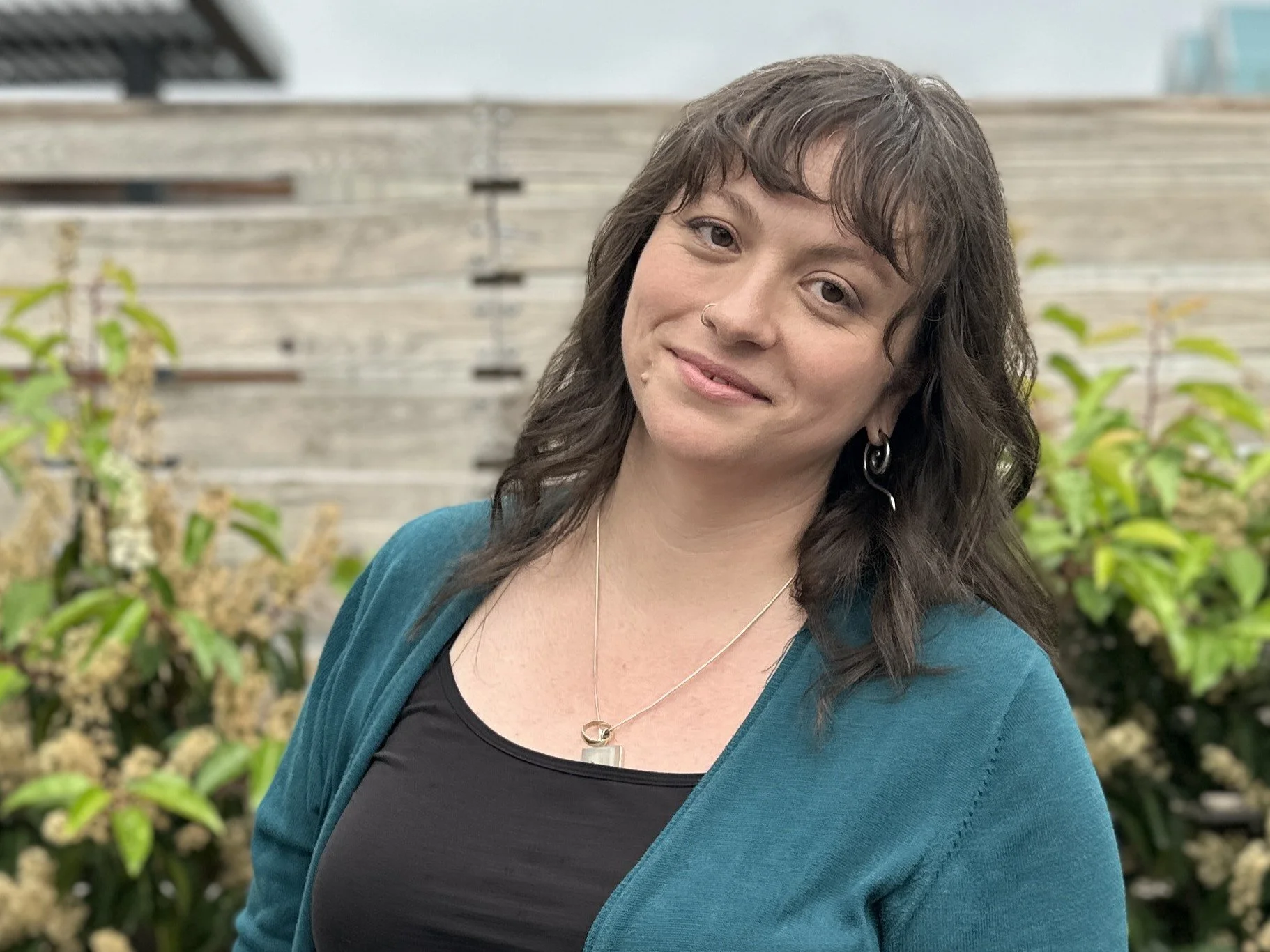
Meet Sydne Smith, MCPAT, RCC
Sydne works with adults navigating trauma, grief, loss, life transitions, anxiety, and emotional overwhelm.
She uses art therapy alongside conversation, allowing the creative process to become part of counselling when it feels useful. Her work can include using art to explore thoughts and emotions, support grounding and mindfulness, process difficult experiences, and develop greater insight into patterns that may be difficult to access through words alone.
Art is always an invitation. You can use it as much or as little as feels helpful within the therapy process.
Common questions about art therapy
-
No.
Art can be used when it feels useful and left aside when conversation feels more appropriate.
Some sessions may involve a significant amount of creative work, while others may look much more like traditional counselling.
-
The main difference is that you have another way of expressing and exploring what you are experiencing.
Traditional counselling relies primarily on conversation. Art therapy can add visual, sensory, and creative ways of working with the same thoughts, emotions, memories, and patterns.
-
Yes.
Art therapy can be used as part of trauma-informed counselling to support emotional regulation, grounding, processing, and the integration of difficult experiences.
You remain in control of what you explore and how quickly the work progresses.
-
No.
Art therapy does not require artistic skill or previous experience.
You may draw something detailed, make simple marks, work with colour, or create something completely abstract. The value comes from the process rather than the finished image.
-
Yes.
Art therapy can be offered online as well as in person. Online sessions may use materials you already have at home, and the creative exercises can be adapted to what is available to you.
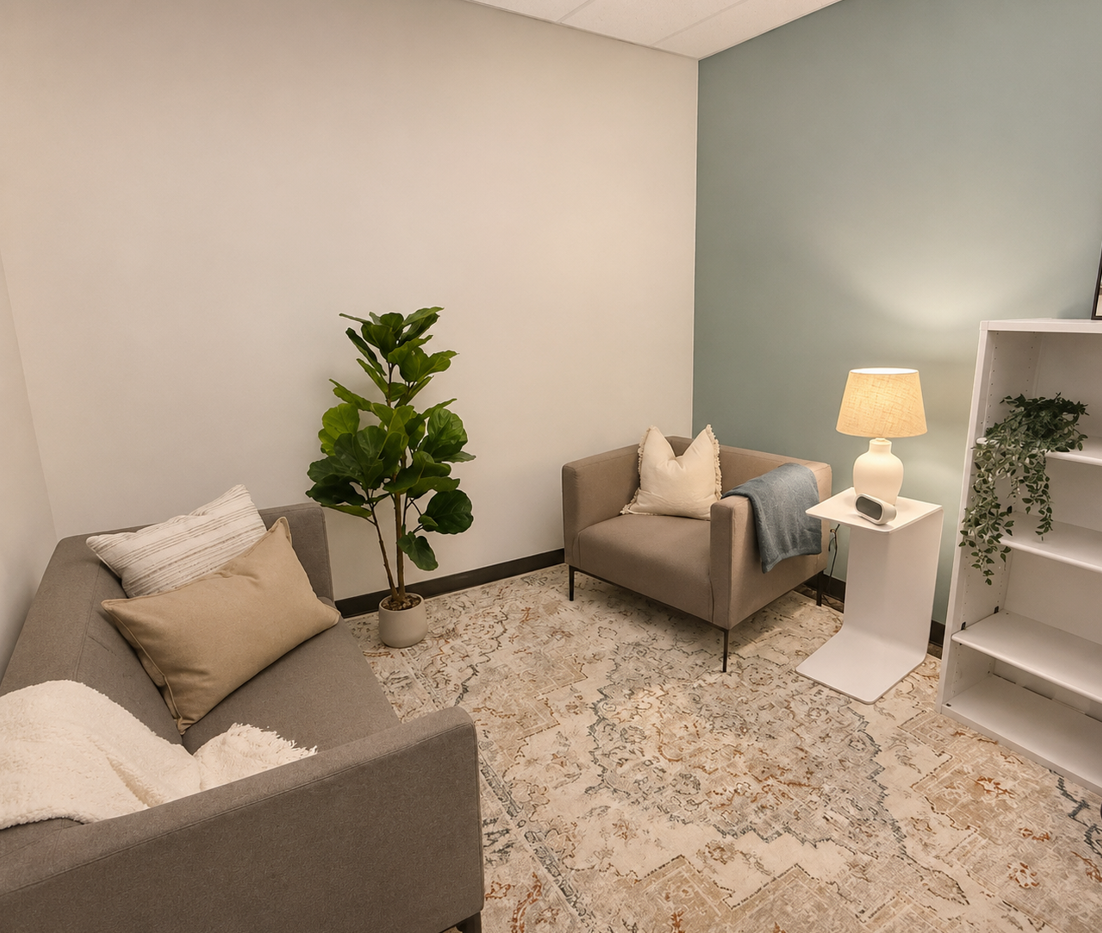
ART THERAPY IN BURNABY & ONLINE ACROSS BC
Metrotower II, 4720 Kingsway, Office 2619 & 2620
with easy access for clients in Burnaby, Brentwood, New Westminster, and the Coquitlam corridor. Free parking and reception services are on site.
Virtual sessions are available for clients anywhere in BC who cannot attend in person, no referral required.
We offer a free 20-minute consultation before your first session so you can decide if it's the right fit.