
Is doomscrolling bad for your mental health? What the research shows
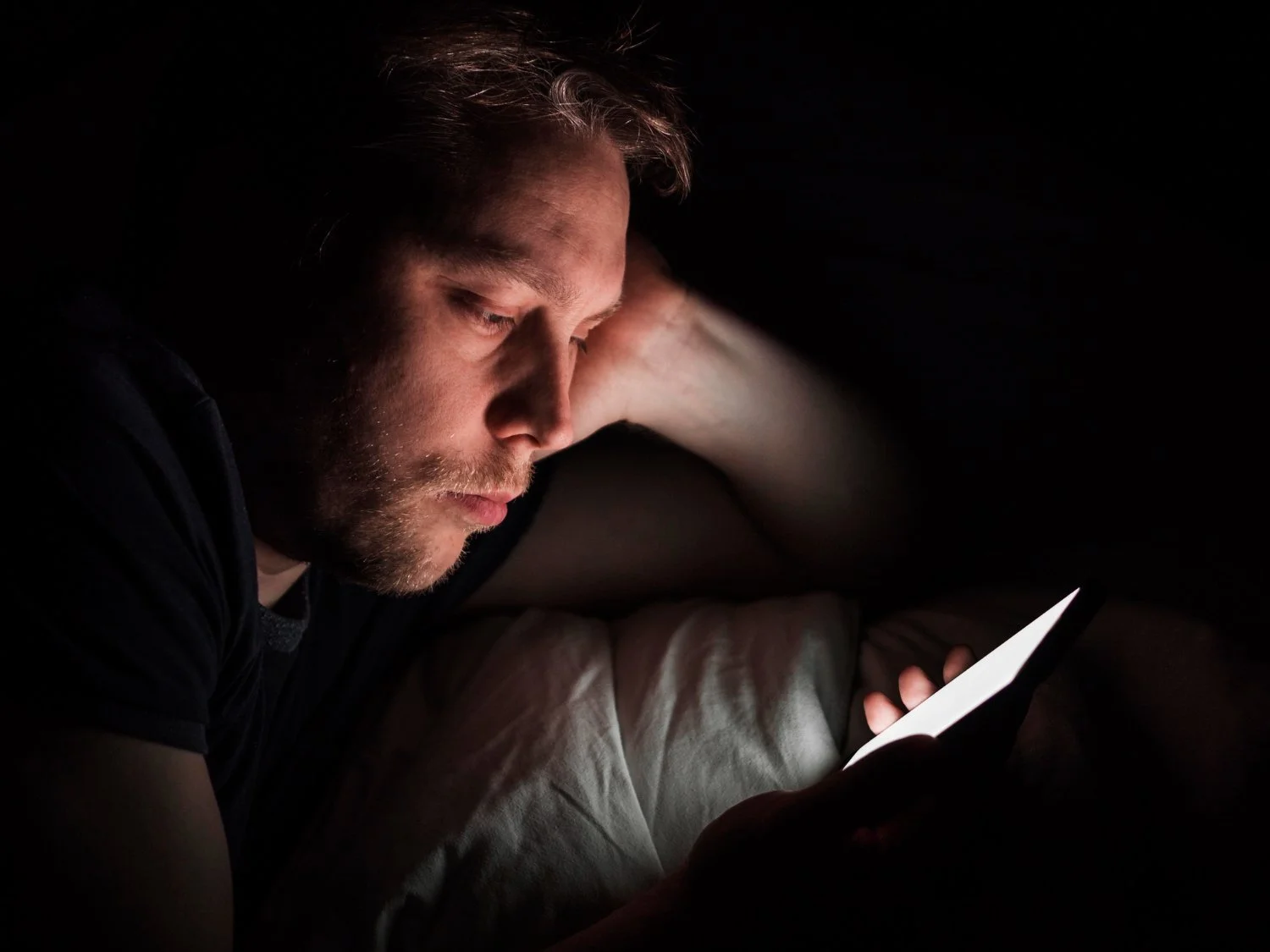
Doomscrolling means scrolling through a feed for far longer than you meant to, well past the point of getting anything useful from it. The word began with bad news and is now used for any endless scroll, whatever the content. Here we look at what is known about doomscrolling, about screen time in general, and about whether your phone can affect your sleep and overall mood.
Why feeds are hard to stop
Most feeds actually have no natural ending.
A book has a last page and a television episode finishes, but a feed keeps loading new content for as long as you keep moving your thumb. The decision to stop rests entirely with you. It usually arrives when you are tired, stressed or avoiding something else, which is when stopping takes the most effort.
What does the research cover and show?
Research that uses the word itself is young, and much of it comes from the COVID-19 pandemic, when worrying news was nearly constant and what we know about scrolling through other kinds of content comes from wider screen time and social media studies.
One study of pandemic-related media followed people for 30 days, asking each day about their media use, depression and post-traumatic stress symptoms. People who spent more time on pandemic-related social media reported more of both. The link was stronger for people who had experienced more severe maltreatment in childhood. And, time spent on traditional media, such as television and newspapers, showed no such link (Price et al., 2022). Heavy exposure to distressing social media content goes along with worse symptoms, especially for people who are already vulnerable.
Screen time as a whole shows only a small link to wellbeing. An analysis of three large surveys covering 355,358 teenagers found that technology use was linked to slightly lower wellbeing, but the link accounted for less than half of one per cent of the differences in how teenagers felt (Orben and Przybylski, 2019). On average, the total hours on a screen say very little about how any one person is doing.
Cutting back has some support. In a three-week experiment, 143 university students either carried on as usual or limited Facebook, Instagram and Snapchat to 10 minutes per app per day. Those who limited their use had bigger drops in loneliness and depression (Hunt et al., 2018).
The link between doomscrolling and sleep
The firmest link is with sleep. A review of 67 studies of children and teenagers found that about 90% of them tied more screen time to worse sleep, mostly shorter sleep and later bedtimes (Hale and Guan, 2015). While those studies looked at screen time in general and not at doomscrolling, the pattern fits how a feed works. With no natural ending, “just a few more minutes” can quietly push bedtime later, and sleep is what gets cut.
How to tell whether scrolling is hurting you
The research does not support a single rule such as "two hours is fine and three is too many." Your own experience is more informative.
Questions you can ask yourself are:
What am I scrolling through, and how do I feel in the 10 minutes after I stop, compared with before I started?
Does late-evening scrolling delay my sleep or leave me more keyed up?
Do I keep scrolling after I have stopped getting anything useful from it?
Is it taking the place of something I would rather be doing?
If your answers point to a pattern, trying a time limit for a couple of weeks is a reasonable experiment, and you can judge for yourself whether it helps.
Practical ways to cut back
There isn’t strong research on how to cut back on scrolling, so the ideas below are common coping strategies and not proven treatments. The one with some backing is setting yourself a firm time limit.
Past that, here are a few things people often find helpful. Decide what you’re opening the app for and close it once that’s done. Charge your phone outside the bedroom. Move the apps you scroll most off your home screen, so opening them takes one extra step.
When the urge hits, try stopping to ask what you’re actually feeling, since a short walk or a text to a friend sometimes does the job better. Change one thing at a time and keep whatever works for you.
When to talk to someone
Consider speaking with a counsellor if you want to cut back and find it hard to, if scrolling is affecting your sleep or mood, or if you mostly scroll to avoid feelings that keep coming back. Therapy can look at what the scrolling is doing for you, and at the anxiety, low mood or stress that often sits underneath it.
If you are in crisis, you can call or text 9-8-8 (the Suicide Crisis Helpline) at any hour.
Common questions about doomscrolling and mental health
Is doomscrolling bad for you?
It depends on the person and on what they are scrolling through. Studies of distressing news during the pandemic linked heavy exposure to more symptoms of depression and post-traumatic stress, mostly in people who were already vulnerable, but they cannot show that scrolling was the cause.
Does doomscrolling only mean reading bad news?
The term began with bad news, and the most specific research uses it that way. It is now applied to any endless scrolling, and the evidence on that comes mainly from wider studies of screen time and social media.
Is there a safe amount of screen time?
The research does not identify a single threshold. The largest studies find small average links to wellbeing that differ from person to person, and what you do on screens and how you feel afterwards appears to matter more than the total.
Can therapy help with scrolling habits?
Therapy can address the stress, anxiety, low mood or avoidance that often sit behind heavy use, and can help you build routines that suit you. No single treatment for screen habits has been established as best.

About the Burnaby Therapy Collective
The Burnaby Therapy Collective is a small practice located at Metrotower II, 4720 Kingsway, near Metrotown in Burnaby, with online sessions available across British Columbia. Our therapists work with the concerns most people come in with, including anxiety, depression, trauma, stress, life transitions and relationships.
We offer all new clients a free 20-minute consultation to see whether one of our therapists is a good fit before booking a first session.
